
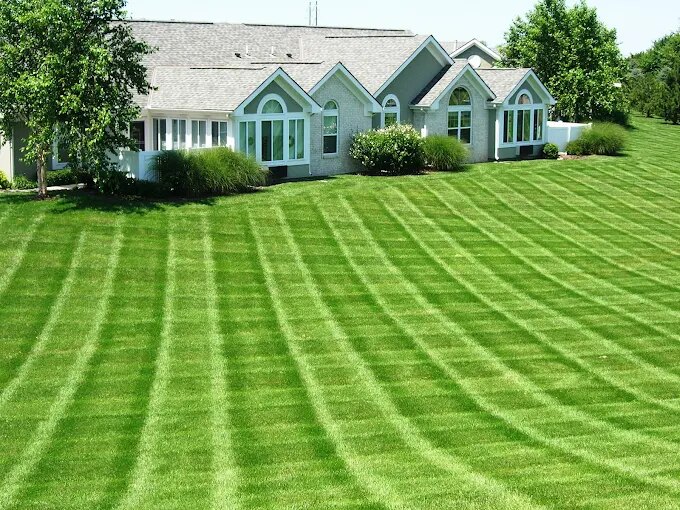
The best time to aerate in Northern Kentucky is fall
Our lawns here are cool-season grasses, mostly tall fescue and bluegrass, and they do their most important root work in fall. That makes roughly September into October the ideal window to aerate and overseed. The soil is still warm enough for new seed to germinate quickly, but the air is cooling off, so the young grass is not fighting summer heat and drought while it tries to establish. Aerating in spring is possible, but it can bring up weed seeds and disrupt pre-emergent, so fall is almost always the better call.
Why aeration matters
Over a season of foot traffic, mowing, and Northern Kentucky's clay-heavy soil, the ground under your lawn compacts. Compacted soil chokes the grass off from the water, air, and nutrients its roots need, and no amount of fertilizer fully fixes that. Core aeration pulls thousands of small soil plugs across the lawn, opening it back up so roots can breathe and everything you apply actually reaches them. The key word is core: pulling real plugs, not just poking spikes into the ground, which can make compaction worse.
Why overseeding right after is the real secret
Aeration relieves compaction, but overseeding is what actually thickens a thin lawn. The freshly opened holes from aeration are perfect little pockets for new seed to fall into, make good soil contact, and germinate. Doing them together, aerate then immediately overseed, is far more effective than either one alone. A thicker lawn is not just better looking; dense turf naturally crowds out weeds, so you fight fewer of them next year without reaching for more chemicals.
What to do after aeration and overseeding
The two weeks after seeding are when the payoff is won or lost, and it comes down to water. Keep the top layer of soil consistently moist with light, frequent watering until the new grass is established, rather than occasional deep soakings. Hold off on heavy fall cleanups or hard raking over newly seeded areas, and skip weed-control products that can stop new grass from germinating. Done right, you will see fill-in through the fall and a noticeably thicker, greener lawn come spring.
Should you DIY or hire it out
Rental aerators are available, but they are heavy, awkward to haul, and easy to use ineffectively, and getting seed selection and rates right matters as much as the aeration itself. For a lot of Northern Kentucky homeowners, having it done means the plugs are pulled properly, the right regionally-proven seed goes down at the correct rate, and you get clear watering guidance to protect the investment. Whether you DIY or hire, the important thing is not to skip fall aeration, because it is the single highest-return thing you can do for a cool-season lawn.