
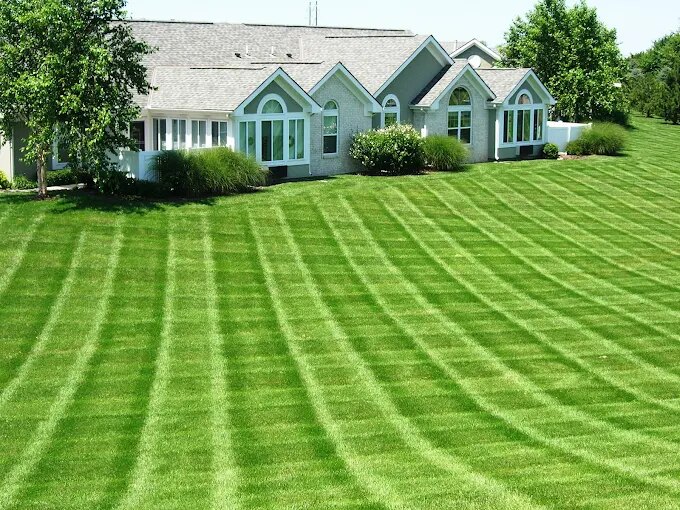
What most homeowners pay
Weekly mowing is priced per visit based on the size and complexity of your lawn. Bigger lawns with more trimming and obstacles cost more per visit. The fastest way to see your exact price is our instant online quote, which measures your lawn from satellite imagery.
What affects the price
Lawn size is the biggest factor, followed by terrain and slope, the number of obstacles to trim around, and how often you want service. Weekly service usually delivers the best results and the most consistent pricing.
Weekly vs. bi-weekly
Weekly mowing keeps your lawn healthier and sharper because you never remove too much at once. Bi-weekly can work in slower-growing stretches but often means longer grass and a rougher cut.
What is included
Every JW maintenance visit includes mowing, line trimming, edging, and blowing off hard surfaces, done by the same crew to a consistent standard.
What goes into a mowing price
A weekly mowing price reflects more than just cutting grass. Lot size and the amount of trimming and edging drive most of it, but slope, obstacles, gates, and how much the property is fenced or landscaped all add time. A flat, open quarter-acre is quick; a hilly lot full of beds, trees, and tight corners takes real care to do well. Reputable companies price for the actual work a property needs, which is why a drive-by number without seeing the yard is rarely accurate.
Why the cheapest mow is rarely the best value
Lawn mowing is a service where corners are easy to cut and hard to notice until later. Dull blades tear grass instead of slicing it, leaving a ragged, browning tip that invites disease. Skipped edging and inconsistent scheduling make even a healthy lawn look unkempt. A slightly higher price for sharp blades, proper mowing height, clean edges, and a reliable weekly slot buys a lawn that actually looks maintained, not just shorter. Over a season, that consistency is what neighbors notice.
Weekly vs. biweekly service
During peak growing season, weekly mowing is the right cadence for most Northern Kentucky lawns, because cutting more than a third of the blade at once stresses the grass and leaves clumps. Biweekly service can work in slower-growth periods or for owners on a tight budget, but it often means scalping and a rougher finish. The healthiest approach is to match mowing frequency to how fast the grass is actually growing, tighter in spring and early summer, easing off in the heat and late fall.