
How often to mulch
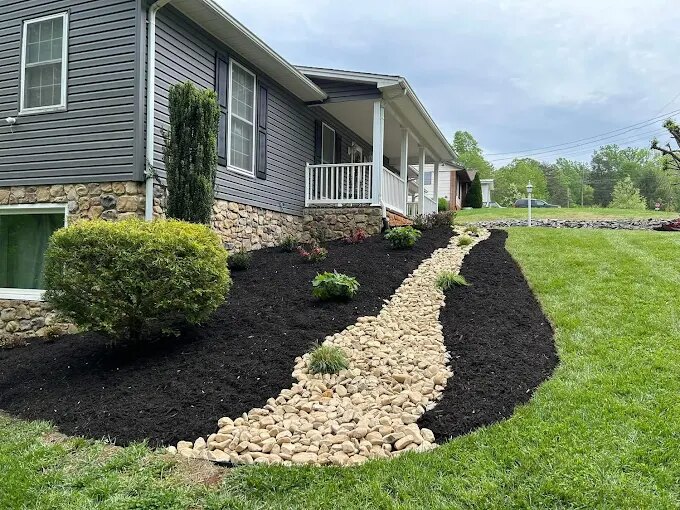
Most beds benefit from a fresh application once a year, typically in spring. This restores color, suppresses weeds, and protects your plants through the growing season.
Why mulch matters
Beyond curb appeal, mulch retains soil moisture, regulates temperature, suppresses weeds, and feeds the soil as it breaks down. Bare beds dry out, weed up, and stress plants.
How much you need
Aim for a consistent depth of two to three inches. Too thin and weeds push through; too thick and you can suffocate roots. Clean edges make any amount look intentional.
More than a top-off
Every JW mulch install includes bed edging, weeding, shrub trimming, and a full clean-up, so the whole bed looks finished, not just freshened.
A simple rule of thumb
Most Northern Kentucky beds benefit from fresh mulch once a year, typically in spring, to restore the two-to-three-inch depth that suppresses weeds and holds moisture. Some fast-decomposing mulches or high-visibility front beds may warrant a light refresh in fall as well. Rather than blindly re-mulching on a schedule, check the depth: if you can still see two to three inches of intact mulch, you may only need to fluff and edge; if it has thinned and faded, it is time to top off.
More is not better
The most common mulch mistake is piling it on too thick, especially against tree trunks and plant stems. Mulch deeper than three inches can suffocate roots, repel water instead of holding it, and create a haven for pests and rot. The infamous mulch volcano around a tree trunk is actively harmful, it invites decay and girdling roots that can kill the tree over time. Keep mulch a few inches back from trunks and stems, and aim for consistent depth rather than a mounded look.
Refresh vs. replace
You do not always need to remove old mulch to re-mulch. In most beds, the previous layer has partly decomposed and is feeding the soil, so a fresh top layer is all that is needed. Full removal is only worth it if the old mulch has matted into a water-shedding crust, developed fungal issues, or built up well beyond the ideal depth over several years. Edging the bed first gives the fresh mulch a crisp line and makes the whole landscape look intentional.